Jonathan Tortoise Death Hoax: The BBC Got Conned by Crypto Scam
The BBC, Daily Mail, and USA Today published Jonathan's death from one unverified X account operated from Brazil. Here's what verification actually looks like.
The BBC Published Jonathan the Tortoise's Death. The Story Was a Crypto Con.
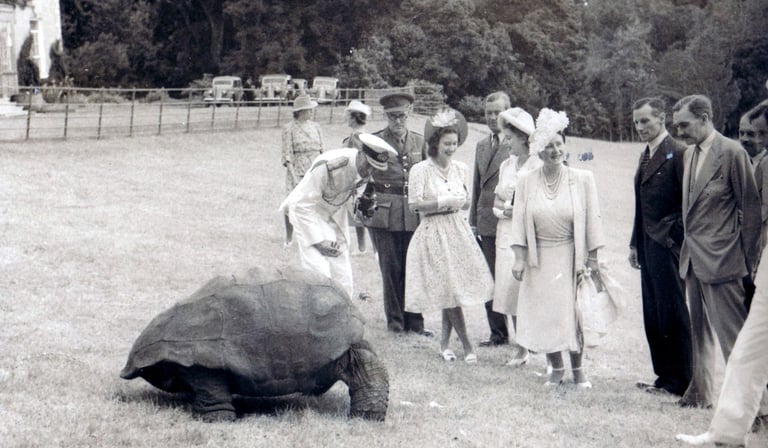
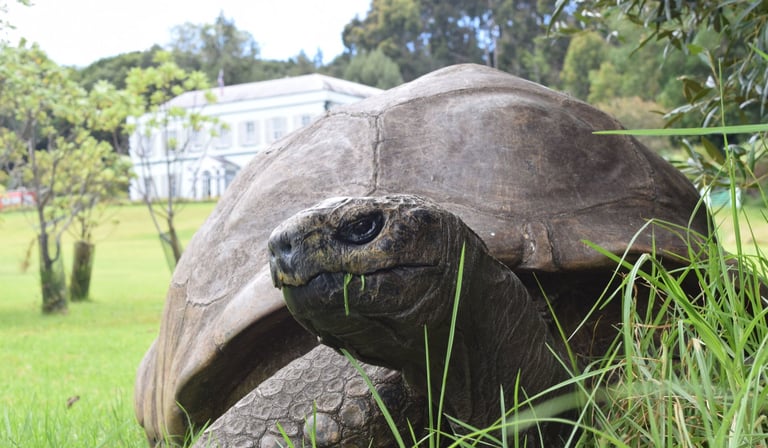
On April 1, 2026, the BBC, Daily Mail, and USA Today published reports that Jonathan — the world's oldest known land animal, a Seychelles giant tortoise living on the South Atlantic island of Saint Helena — had died at an estimated 194 years old. The source was a single post on X from an account impersonating Joe Hollins, Jonathan's real veterinarian, operated from Brazil by someone who knew Hollins doesn't use X. That post was soliciting cryptocurrency donations through a wallet address at the exact moment three international newsrooms were treating it as fact.
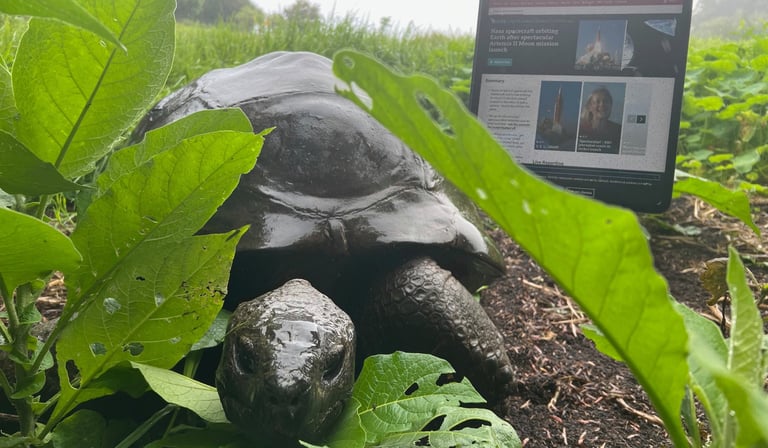
Jonathan is alive. Governor Nigel Phillips confirmed it by walking the grounds of Plantation House at night and finding the tortoise asleep under a tree. The St Helena government followed with a photograph of Jonathan next to an iPad displaying that day's BBC homepage. The real Joe Hollins, reached by journalists via Facebook, described the incident plainly: "It's not even an April Fool joke. It's a con."

what the coverage missed
The failure here wasn't that a scammer posted convincingly. The failure was that publishing took less time than checking. One search would have revealed that Joe Hollins maintains no X account. The fake account's metadata showed its location as the United States and its connection to the platform routed through a Brazilian app store. Hollins himself noted that the post used American English spellings — a detail the real Hollins, a British veterinarian working on a British overseas territory, would not use. None of this required investigative resources. It required looking.
The post accumulated more than 2 million views. Within the window between publication and retraction, readers who trusted those outlets shared an unverified death announcement for a beloved animal, some of them almost certainly directing attention toward a cryptocurrency wallet address that remains on the blockchain.
What this means for anyone consuming breaking news about public figures: the emotional architecture of a grief announcement — personal, specific, voiced with warmth — is now a documented mechanism for financial extraction. Jonathan's story had every feature scammers engineer: a figure expected to die soon, a globally recognized institution in a remote location, and a medical professional whose identity is known but whose digital presence is minimal. That combination doesn't disappear when this particular story is corrected.

What a real person does with this information
When a death announcement about a beloved public figure breaks through a single social media account rather than through a verified official source, two checks take under 90 seconds. First: does the account have a posting history consistent with the claimed identity? The fake Hollins account was new. Second: has the relevant institution confirmed the news through its own official channels? Saint Helena's government website and verified social accounts are findable in one search. Neither check happened at three major international newsrooms before publication.
For any future Jonathan health reports: the St Helena government has confirmed that official updates about Jonathan's condition will come through its government website at sainthelena.gov.sh, through its verified social channels, and through named statements from Governor Nigel Phillips or Joe Hollins directly. Anything else is not a source.
The BBC issued a retraction. USA Today corrected its report. The Daily Mail updated its coverage. The cryptocurrency wallet address has not been publicly traced to a named individual, and no law enforcement action has been announced.