
BLM Approves Lake Pleasant Burro Removal: The Ecological Math
The Bureau of Land Management is removing 1,500 burros from Lake Pleasant this April. Understand the severe ecological costs driving this federal operation.
The Bureau of Land Management Will Remove 1,500 Lake Pleasant Burros. Here is the Ecological Math.
Federal contractors will begin extracting 1,500 wild burros from the Lake Pleasant Herd Management Area on April 1, 2026. The Bureau of Land Management authorized this massive gather to reduce a population that has fundamentally altered the local ecosystem. Most regional coverage has treated the upcoming helicopter flights as a temporary nuisance for weekend boaters. The actual narrative involves the rapid deterioration of fragile Sonoran Desert environments.
Wild burros are an introduced species descended from pack animals abandoned by miners in the late nineteenth century. Congress protected them under the 1971 Wild Free-Roaming Horses and Burros Act. That legislation mandated their preservation but also required federal agencies to maintain ecological balance. We're failing at the second mandate.
The Bureau of Land Management established the Appropriate Management Level for the Lake Pleasant region at precisely 208 animals. The current herd exceeds that target by nearly eight times.
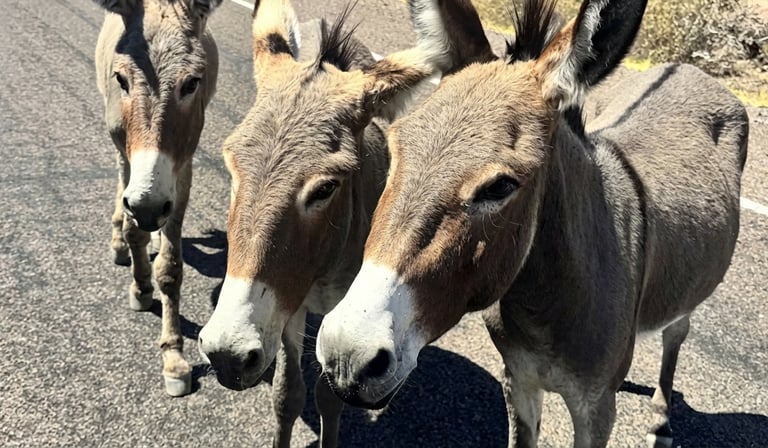
The quiet eradication of desert riparian zones
A single adult burro consumes about 10 pounds of forage every day. Multiply that baseline by 1,500 animals and the math becomes devastating for native flora. These herds congregate around the scarce water sources feeding into the Agua Fria River basin. They strip native grasses and young shrubs down to the root system. Native desert bighorn sheep and mule deer can't compete with the aggressive grazing patterns of a thriving burro population.
The damage extends beyond missing vegetation. Burros have hard hooves that pulverize the fragile cryptobiotic soil crusts found throughout Arizona. These living soil layers prevent erosion and fix nitrogen for plant growth. Once trampled, the soil loses its ability to absorb rainfall during the violent summer monsoons. The resulting runoff triggers severe erosion that degrades water quality in Lake Pleasant and destroys the shaded microclimates needed by native amphibians.
Conservation biologists at the Arizona Game and Fish Department recognize this as a cascading trophic failure. Protecting an invasive megafauna species inevitably sacrifices the native biodiversity of the entire watershed.
Unchecked wild burro populations double every four years.
Navigating public land closures and adoption pipelines
Helicopter drive-trapping remains the only viable method for gathering hundreds of large animals across rugged desert terrain. The federal government will implement rolling closures across the northern and western shores of the lake starting in late March. Hikers using the Maricopa Trail and off-road vehicle drivers must check the official federal closure maps daily. Disregarding these boundaries endangers both the flight crews and the startled animals.
Captured burros face a long logistical journey. Transport trucks will move them to the federal holding facility in Florence. Veterinarians will examine the animals, administer vaccines, and apply federal freeze brands to their necks. They then enter the adoption pipeline. The government currently spends millions of taxpayer dollars annually to house tens of thousands of unadopted horses and burros in long-term holding pastures. Removing the animals from Lake Pleasant solves the immediate ecological crisis but simply transfers the financial burden to a saturated federal system.
The Science Impact newsletter goes deeper than this, every week. Real analysis. Zero hype. Subscribe free and understand the discoveries before they become dinner-table debates.