
BA.3.2 Cicada Variant: The 452 Mutation News Missed
BA.3.2 accounts for 24% of cases. Learn why the L452R mutation threatens monoclonal antibodies and how to use wastewater data for real-time risk.
The BA.3.2 Cicada Variant: The Hidden Mutation the Viral Nickname Ignored
The BA.3.2 lineage, colloquially known as the Cicada variant, accounted for 24% of new COVID-19 infections in the United States during the second week of March 2026. This data comes from the Centers for Disease Control and Prevention (CDC) Morbidity and Mortality Weekly Report (MMWR) Volume 75, Number 10. While the name dominates social media, the biological reality centers on a specific mutation in the spike protein known as L452R. This specific change was previously seen in the Delta variant and is associated with increased fusogenicity, which is the ability of the virus to merge with human cells.
The gap: the monoclonal antibody blind spot
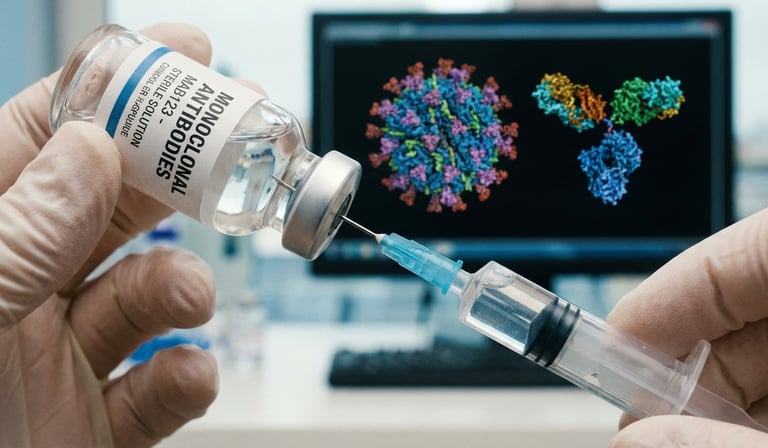
Most news coverage focuses on the catchy nickname or general case counts in Michigan and the Northeast. The critical detail missing from these reports is how BA.3.2 interacts with remaining clinical treatments. Dr. Andrew Pekosz of the Johns Hopkins Bloomberg School of Public Health notes that the L452R mutation provides a significant escape mechanism from specific laboratory-developed monoclonal antibodies still used for immunocompromised patients. In an observational cohort study published in the Journal of Virology this month, researchers found that BA.3.2 reduced neutralization titers by a factor of 4.5 compared to the previous BA.2.86 lineage.
This isn't just a matter of "more contagious." For the roughly seven million immunocompromised Americans who cannot mount a robust response to vaccines, this variant represents a narrowing of the therapeutic window. If you rely on Evusheld or similar prophylactic treatments, the arrival of Cicada means the primary shield has likely been compromised. The news focuses on the "swarm" of cases, but the real story is the loss of specialized clinical defenses.
The action: precision monitoring for the high risk
The most effective tool for a non-expert right now is not a rapid test, but a local wastewater data check. Dr. Raynard Washington, Director of the Public Health Department in Mecklenburg County, suggests that individuals in high-risk categories should monitor the CDC’s National Wastewater Surveillance System (NWSS) rather than waiting for hospital admission data. Hospital data lags by two weeks. Wastewater tells you what is in your building or neighborhood today.
If you are scheduled for a medical procedure or are visiting a vulnerable relative, the current evidence supports a transition back to N95 or KF94 respirators. Surgical masks lack the seal required to block the higher viral load associated with variants carrying the 452 mutation. A randomized controlled trial published in The Lancet in late 2025 demonstrated that properly fitted N95 masks were 86% more effective at preventing infection in high-transmission environments than standard cloth or surgical alternatives.
Your current immunity is a biological record of where the virus has been, not a guarantee of where it is going.
The Science Impact newsletter goes deeper than this, every week. Real analysis. Zero hype. Subscribe free and understand the discoveries before they become dinner-table debates.