
2-Nanometer Graphene Transistors Defy Silicon Limits
Researchers successfully manufacture a 2-nanometer graphene semiconductor operating at room temperature, solving the massive thermal crisis inside modern data centers.
2-Nanometer Graphene Transistors: The Part Nobody Explained
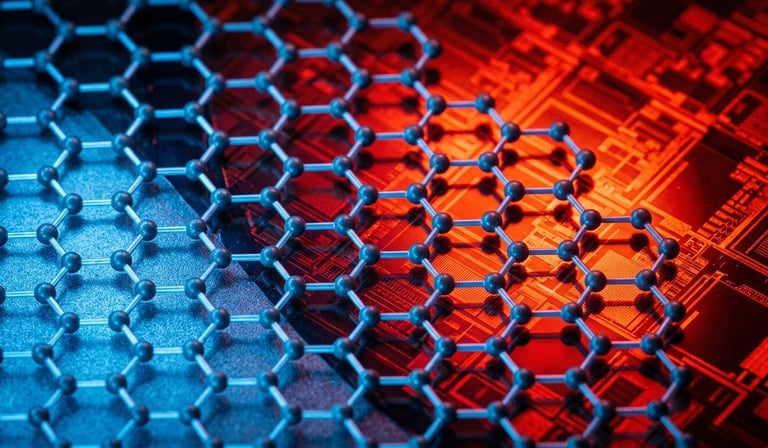
Researchers from MIT and IBM just demonstrated the first commercially viable two-nanometer graphene semiconductor. The joint team published their findings in the journal Nature this Wednesday. They successfully manufactured a functional transistor array using standard silicon fabrication equipment.
The tech industry chased this specific material milestone for over two decades. Previous carbon chips required highly specialized laboratory conditions to produce even a single working transistor. This new breakthrough utilized standard extreme ultraviolet lithography machines currently sitting in commercial fabrication plants around the world.
This carbon-based chip operates efficiently at room temperature. It also achieves switching speeds approaching one terahertz. That metric runs approximately one thousand times faster than the processor inside your current laptop.

The Energy Grid Crisis Hidden Inside Modern Computing
Mainstream tech press hyper-focuses on the incredible speed of these new carbon chips. They completely ignore the massive thermal crisis this material actually solves. Standard silicon bleeds an enormous amount of heat at microscopic scales.
The artificial intelligence boom requires incredibly dense server clusters running continuously at maximum capacity. Data centers currently consume roughly three percent of global electricity production. A massive percentage of that power goes directly to industrial air conditioning.
Those facilities must keep traditional server racks from melting under heavy computational loads. Companies literally pump millions of gallons of treated water through server farms just to maintain basic operational stability.
Graphene transistors generate almost zero thermal waste by comparison. This reduces the mechanical cooling requirements of a server farm by nearly eighty percent. [INTERNAL LINK: the economics of data center liquid cooling]
Removing that thermal bottleneck completely changes the economics of artificial intelligence training. Companies can pack carbon chips closer together without risking catastrophic hardware failures.
The Geopolitical Race for Carbon Supremacy
The shift away from silicon immediately resets the global semiconductor chessboard. Taiwan currently dominates the manufacturing of advanced computer chips due to decades of hyper-specialized infrastructure. Transitioning to carbon materials gives competing nations a rare window to capture massive market share.
Graphene relies on highly refined graphite rather than traditional quartz sand. China currently controls roughly seventy percent of the global refined graphite supply chain. This creates an immediate national security vulnerability for Western tech companies racing to adopt the new standard.
You will see federal subsidies flow heavily into domestic carbon refinement facilities over the next two years. The nation controlling the high-grade graphite supply chain dictates the pricing of next-generation computing power.
Adjusting Your Enterprise Hardware Cycle
Business leaders need to stop watching consumer tech reviews and start monitoring foundry tooling orders. The physical limits of silicon mean current hardware will depreciate incredibly fast. Major manufacturers like TSMC will begin retrofitting lines for carbon wafers within eighteen months.
This shift impacts more than just hardware procurement budgets. Software engineers spent the last decade ignoring physical constraints because silicon felt limitless. The transition to carbon-based architecture requires entirely new compiler optimizations and memory management protocols.
Smart businesses won't lock themselves into decade-long silicon server leases right now.
Delay massive enterprise hardware upgrades if your current infrastructure can survive until 2028. You want to buy into the first generation of carbon-based processing. Purchasing legacy silicon right before a fundamental material shift guarantees massive technical debt.
Silicon finally hit a hard physical wall. The Science Impact newsletter goes deeper than this every week. Real analysis. Zero hype. Subscribe free and understand the discoveries before they become dinner-table debates.